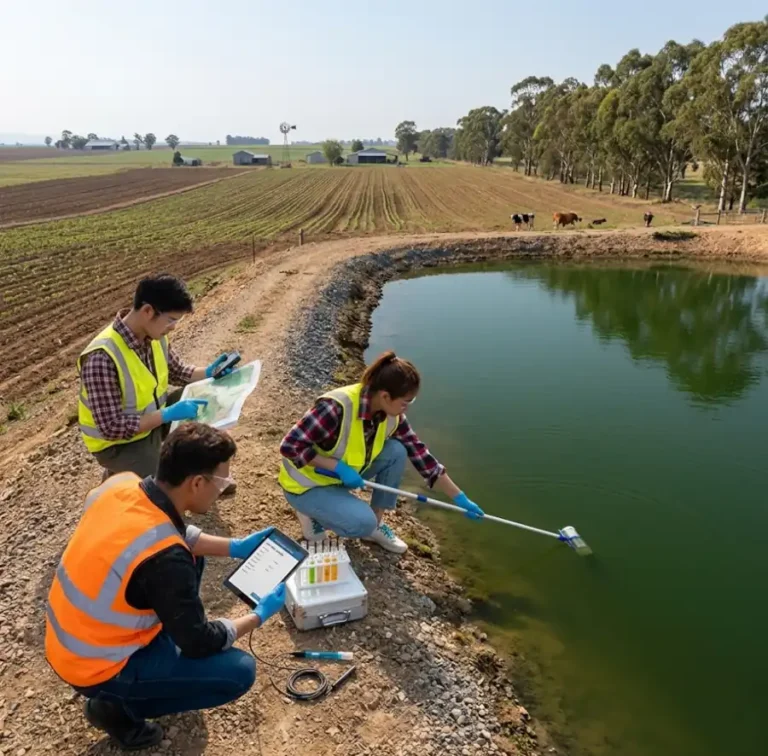
Modern agriculture is increasingly focused on improving soil health, reducing input costs, and achieving sustainable productivity. While traditional soil testing remains essential for understanding soil chemistry and fertility, many growers are now recognising the importance of what lies beneath the surface — soil microbiology.
Soil microorganisms play a vital role in nutrient cycling, plant health, soil structure, and overall crop performance. Understanding these biological processes can help growers make better management decisions and unlock the full potential of their soils.
What is Soil Microbiology?
Soil microbiology refers to the vast community of microorganisms living within the soil, including bacteria, fungi, actinomycetes, protozoa, and other beneficial organisms.
These microorganisms perform critical functions that support plant growth, including:
- Breaking down organic matter
- Recycling nutrients
- Improving soil structure
- Enhancing nutrient availability
- Supporting root development
- Suppressing certain soil-borne pathogens
Healthy microbial populations are essential for maintaining productive agricultural soils.
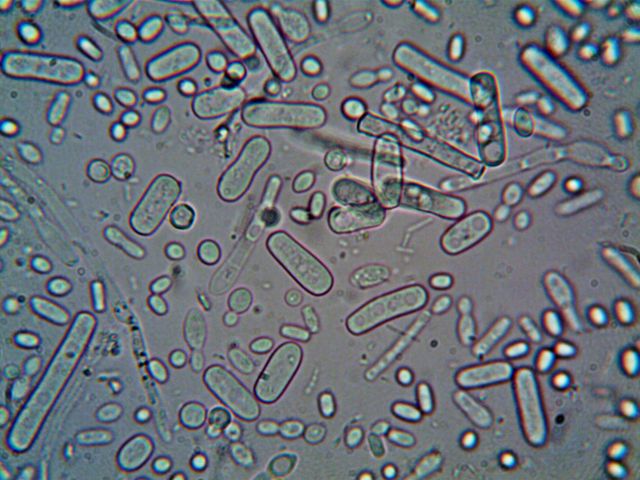
Why Soil Biology Matters
Many nutrients exist within the soil but are not immediately available to plants. Soil microorganisms help convert these nutrients into forms that crops can absorb and utilise.
Without adequate biological activity, significant nutrient reserves may remain inaccessible, reducing fertiliser efficiency and limiting crop performance.
Understanding soil biology allows growers to better evaluate:
- Soil health
- Nutrient cycling efficiency
- Biological activity levels
- Long-term productivity potential
- Sustainability outcomes
Unlocking Hidden Nutrient Reserves
One of the most exciting benefits of soil microbiology testing is the ability to identify opportunities to utilise nutrients already present within the soil profile.
Many agricultural soils contain substantial nutrient reserves that remain unavailable to plants due to limited biological activity.
By understanding microbial populations and biological processes, growers may be able to:
- Improve nutrient availability
- Reduce reliance on fertiliser inputs
- Improve fertiliser efficiency
- Support healthier crop growth
- Lower production costs
As fertiliser prices continue to fluctuate, maximising existing nutrient reserves has become increasingly important.

Supporting Sustainable Farming Practices
Sustainability is becoming a major focus across Australian agriculture.
Healthy soil biology contributes to:
- Improved soil structure
- Better water infiltration
- Enhanced organic matter breakdown
- Greater crop resilience
- Reduced environmental impact
Monitoring soil microbiology helps growers make informed decisions that support both productivity and long-term sustainability goals.
The Value of Soil Microbiology Testing
Traditional soil chemistry testing provides valuable information about nutrient levels and soil conditions. However, it does not always explain how effectively nutrients are being cycled and made available to plants.
Soil microbiology testing provides an additional layer of insight by helping growers understand the biological processes influencing crop performance.
Combining soil chemistry analysis with microbiology testing creates a more complete picture of soil health and fertility.
How ALTSA Supports Australian Growers
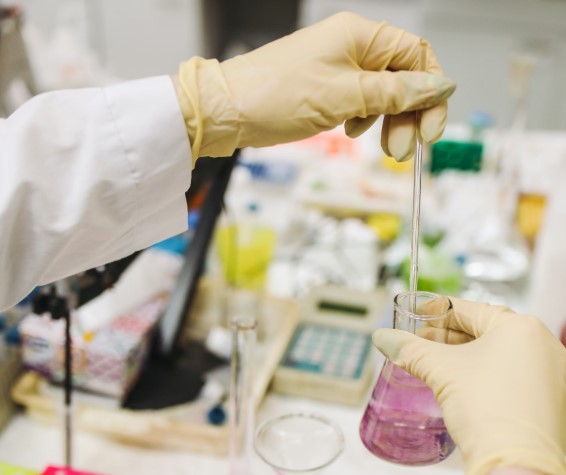
ALTSA offers soil microbiology testing alongside a comprehensive range of agricultural laboratory services, including:
- Soil nutrient analysis
- Leaf nutrition testing
- Plant tissue testing
- Pesticide Residue (MRL) testing
- Water testing
- Environmental testing
- Heavy metals testing
As a NATA-accredited laboratory for soil and plant nutrition testing, ALTSA provides reliable analysis, clear reporting, and responsive technical support.
Supporting Better Agronomic Decisions
Understanding soil biology is becoming increasingly important for growers seeking to improve productivity, optimise fertiliser programs, and build long-term soil health.
Whether you manage broadacre crops, horticulture, vineyards, orchards, or intensive agricultural systems, soil microbiology testing can provide valuable insights into the biological processes driving crop performance.
Contact ALTSA to learn more about soil microbiology testing and how it can support your farming operation.