With rising fertiliser costs and increasing pressure to maximise productivity, Australian growers need accurate information to make informed crop nutrition decisions. While soil testing remains a critical management tool, leaf nutrition testing provides an additional layer of insight by measuring what a crop is actually absorbing.
Together, soil and leaf testing help growers optimise fertiliser programs, improve crop performance, and identify issues before they impact yield.
Understanding the Difference Between Soil and Leaf Testing
Soil testing measures the nutrients and minerals available within the soil environment. It helps growers understand soil fertility, pH, salinity, and nutrient reserves.
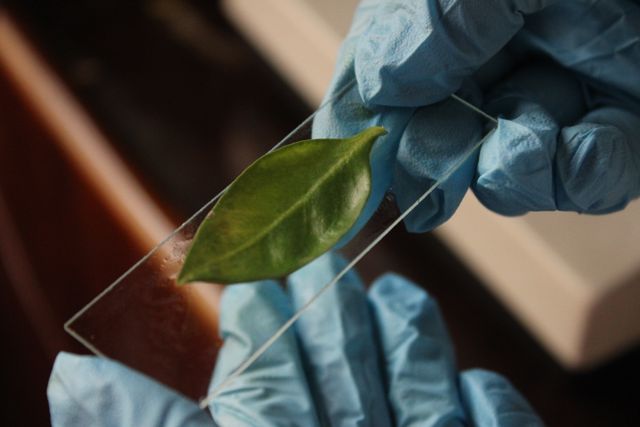
Leaf nutrition testing, often referred to as leaf tissue analysis, measures the nutrients that have actually been taken up by the plant.
While a soil test may indicate sufficient nutrient levels, environmental factors can prevent plants from absorbing those nutrients effectively.
Factors affecting nutrient uptake include:
- Soil pH imbalance
- Moisture stress
- Root damage
- Soil compaction
- Nutrient antagonism
Leaf analysis provides confirmation of how effectively nutrients are moving from the soil into the crop.

Early Detection of Nutrient Deficiencies
One of the key advantages of leaf testing is the ability to identify nutrient deficiencies before visible symptoms appear.
This allows growers to take corrective action early, reducing the risk of yield loss and quality issues.
Leaf testing can help identify:
- Nitrogen deficiencies
- Potassium deficiencies
- Calcium deficiencies
- Trace element deficiencies
- Hidden nutrient imbalances
Early intervention often leads to better crop performance and more efficient fertiliser use.
Improving Fertiliser Efficiency
Fertiliser represents one of the largest input costs in modern agriculture.
Leaf testing helps ensure fertiliser programs are delivering the intended results. By identifying which nutrients are being absorbed and which are not, growers can make more targeted decisions and avoid unnecessary applications.
This can help:
- Improve fertiliser efficiency
- Reduce input costs
- Improve yield consistency
- Support sustainable farming practices
Supporting Better Agronomic Decisions
When combined with soil testing, leaf analysis provides a complete picture of crop nutrition.
This enables growers and agronomists to make decisions based on actual field data rather than assumptions.
How ALTSA Can Help
ALTSA provides professional leaf nutrition testing and plant tissue analysis services for growers across Australia.
Combined with soil testing, microbiology testing, and environmental analysis, ALTSA offers a comprehensive laboratory solution supporting better crop management decisions.
Whether you manage vineyards, orchards, horticultural crops, or broadacre farming operations, ALTSA can provide reliable testing services to support improved crop performance.