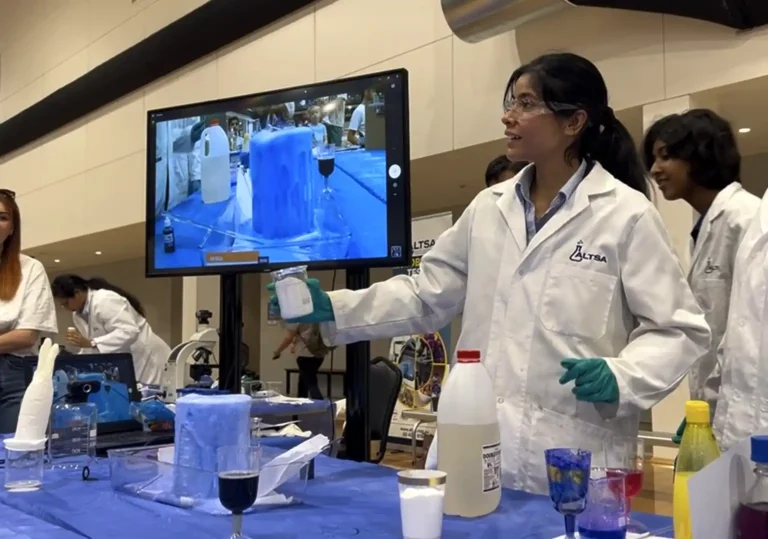
Water is one of the most valuable resources in agriculture. Whether sourced from dams, bores, rivers, irrigation systems, or rainwater tanks, water quality can directly influence crop performance, soil health, livestock wellbeing, and operational efficiency.
Regular water testing helps identify potential issues before they become costly problems, supporting informed management decisions and long-term productivity.
Understanding Water Quality
Not all water sources are the same. Water may contain varying levels of:
- Salinity
- Nutrients
- Heavy metals
- Bacteria
- Minerals
- Chemical contaminants
- Toxic Algae
Without testing, these issues can remain undetected and potentially affect agricultural productivity, infrastructure, and compliance requirements.
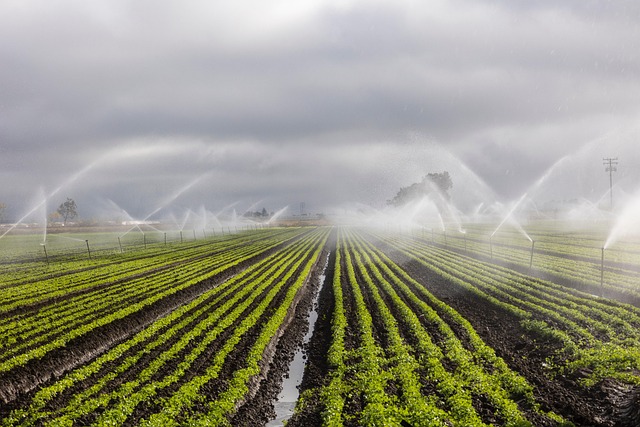
Why Irrigation Water Testing Matters
Poor irrigation water quality can significantly influence:
- Soil structure
- Crop nutrition
- Fertiliser efficiency
- Plant health
- Yield potential
Comprehensive irrigation water testing typically includes:
- Electrical Conductivity (EC)
- Sodium Adsorption Ratio (SAR)
- pH
- Chloride
- Bicarbonate
- Hardness
- Nutrient analysis
These parameters help assess potential impacts on soil structure, crop performance, irrigation equipment, and long-term soil health.
High salinity levels, elevated sodium concentrations, or poor water chemistry can affect soil infiltration, nutrient availability, and plant growth over time.
Routine testing provides growers with valuable information to support irrigation management and improve decision-making throughout the growing season.
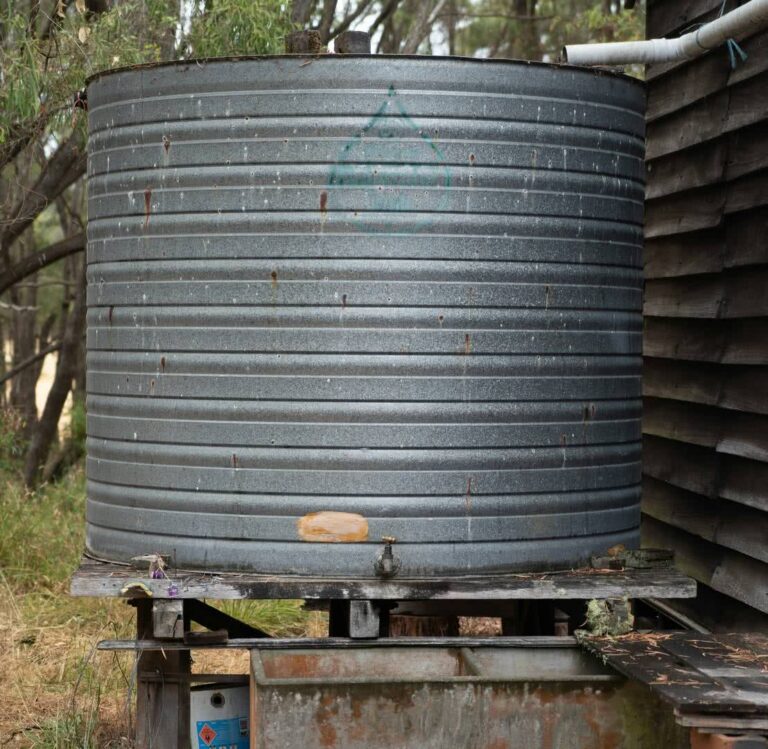
Rainwater Tank Testing for Water Safety
Many agricultural businesses, rural properties, and households rely on rainwater tanks for drinking water and operational use.
However, roof-collected water can become contaminated through:
- Bird and animal droppings
- Dust and organic debris
- Roofing materials
- Pipework deterioration
- Environmental contaminants
Testing rainwater can help identify risks including:
- coli contamination
- Bacterial contamination
- Heavy metals
- Low pH (acidity)
- Other water quality concerns
Regular monitoring supports compliance with the Australian Drinking Water Guidelines (ADWG) and helps protect human and animal health.
Rainwater quality should also be assessed following:
- Extended dry periods
- Major storm events
- Maintenance works
- Changes in taste, odour, or appearance
These events may introduce contaminants or alter water quality, making testing an important part of risk management.
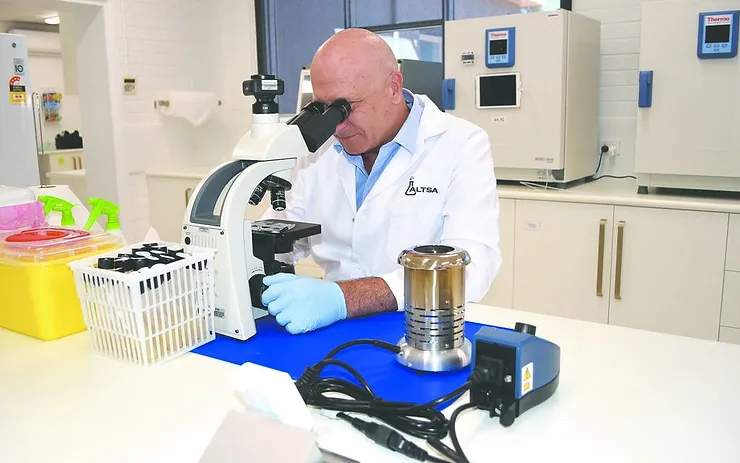
How Often Should Water Be Tested?
Testing frequency will vary depending on the water source and intended use. General recommendations include:
- Irrigation Water - Annually or before each growing season
- Rainwater Tanks - Annually when used for drinking purposes or or handwashing/showering
- Bore Water - Annually or whenever water quality changes are observed
- Surface Water - Seasonally or following significant rainfall events
Routine monitoring helps identify changes in water quality before they impact operations.
Supporting Compliance and Industry Standards
Water testing plays an important role across agriculture, food production, livestock management, and environmental monitoring.
Laboratory testing can support compliance with:
- Australian Drinking Water Guidelines (ADWG)
- Irrigation Water Quality Guidelines
- Livestock Drinking Water Guidelines
- Environmental monitoring requirements
- Food production and quality assurance programs
Reliable testing data provides confidence for decision-making, reporting, and risk management activities.
How ALTSA Supports Water Testing
ALTSA provides comprehensive water testing services including:
- Irrigation water testing
- Rainwater quality testing
- Drinking water testing
- Environmental water monitoring
- Wastewater analysis
- Blue-green algae testing
- Salinity and nutrient analysis
- Microbiological testing
Testing is supported by responsive laboratory services, clear reporting, and technical expertise to help clients understand and manage water quality risks.
Protecting Productivity and Water Safety
Water quality can have a significant impact on agricultural productivity, operational performance, and compliance obligations.
Routine water testing helps identify risks early, maintain water safety, and support informed management decisions.
Whether managing irrigation systems, water storage infrastructure, livestock operations, or food production facilities, reliable water testing provides valuable insights that support long-term success.
Contact ALTSA to discuss your water testing requirements and learn more about our laboratory testing services.