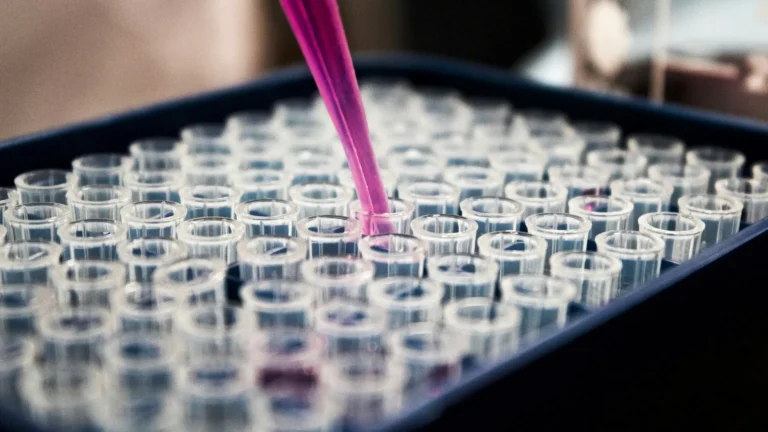
Water quality plays an important role across agriculture, food production, and industrial operations. Changes in water composition can affect crop performance, processing quality, and environmental compliance. Routine water testing helps identify potential issues before they impact operations.
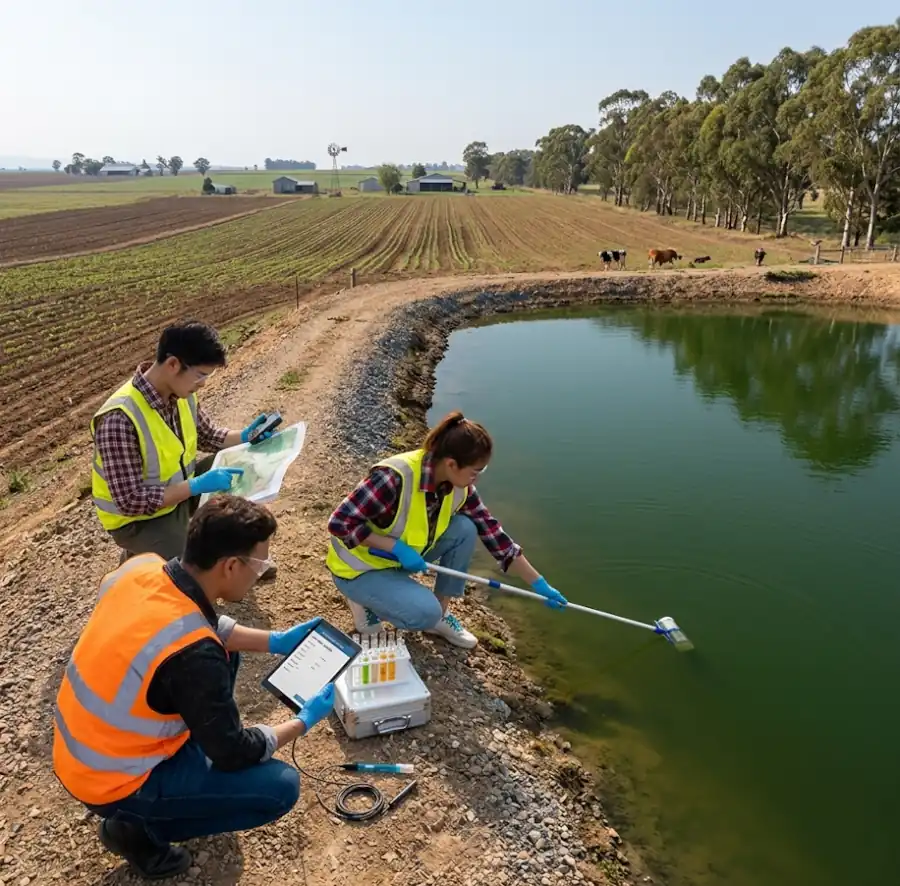
Irrigation water quality is particularly important in agricultural systems. Elevated salinity, nutrient imbalance, or chemical contamination can influence soil structure and plant growth. Testing irrigation water provides clarity on suitability and helps guide management decisions.
Water testing is also required for environmental compliance. Many industries must monitor water sources, discharge points, and storage systems to meet regulatory requirements. Laboratory analysis provides accurate data for reporting and helps identify contamination risks early.
Lab testing of rainwater tanks is also crucial to ensure water safety. Roof-collected water can contain faecal bacteria from animals and birds, heavy metals from old roofing materials or poorly maintained pipes, and other contaminants. Testing helps confirm water suitability for use and reduces health risks.
Testing also supports compliance with Australian Drinking Water Guidelines (ADWG). Laboratory analysis can detect contaminants such as E. coli, parasites, and low pH (acidity), which may impact water safety and operational use.
Microbiological water testing is often necessary where water is used in food production or processing. Monitoring bacterial levels helps ensure water meets safety standards and reduces the risk of product contamination.
Blue-green algae monitoring is another important consideration for dams, irrigation systems, and storage facilities. Certain algae species can produce toxins that affect livestock, crops, and water usability. Laboratory testing supports early detection and informed management decisions.
Industrial operations also rely on water testing to maintain equipment performance. High mineral content or contamination can lead to scaling, corrosion, or operational inefficiencies. Routine analysis supports preventative maintenance and operational reliability.
ALTSA provides water testing services including:
- Irrigation water testing
- Environmental water monitoring
- Wastewater analysis
- Drinking water quality testing
- Rainwater tank testing
- Blue-green algae testing
- Salinity and nutrient analysis
- Microbiological testing
Regular water testing supports compliance, protects operations, and helps maintain consistent performance.
ALTSA provides accurate water testing with clear reporting and responsive technical support.